How to Make Filipino Vegetable Stew (Pinakbet)
There's something about a hearty vegetable stew that feels like a warm embrace, especially when it's a dish as rich in flavor and tradition as Pinakbet. This
- Rating
- (1)
- Total time
- 30 min
- Yield
- 10 servings
- Updated
- Updated

By Mari & Jacob Petrosky
Cooked, filmed, and tested in our Arizona kitchen
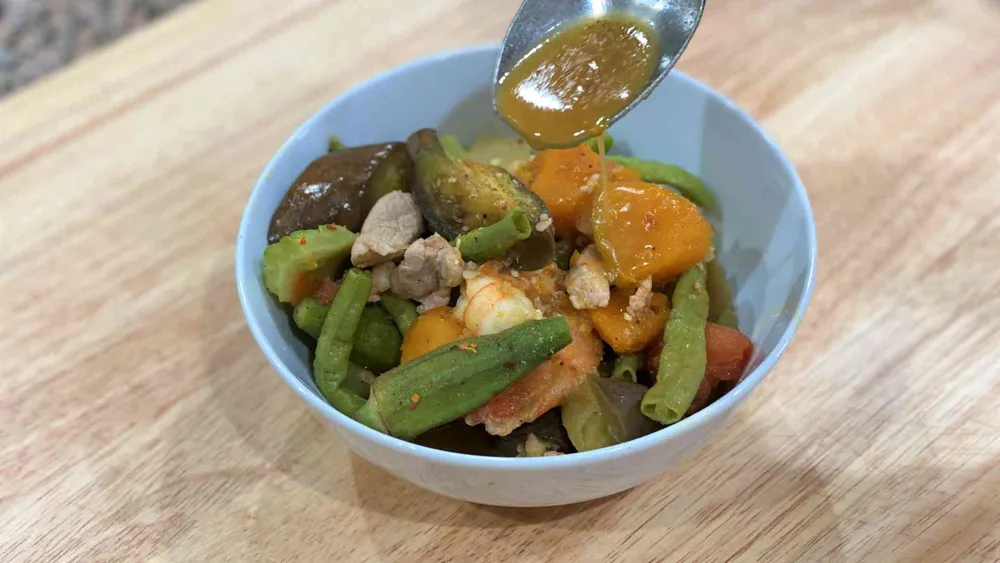
There’s something about a hearty vegetable stew that feels like a warm embrace, especially when it’s a dish as rich in flavor and tradition as Pinakbet. This Filipino favorite has always held a special place in my heart. It’s not just the medley of textures and flavors that make it stand out, but also the deep nutritional value it brings to every meal. Let’s dive into what makes Pinakbet so unique and why it should be your next kitchen adventure.
A Taste of Filipino Heritage
Pinakbet, a staple in Filipino cuisine, marries the earthy flavors of indigenous vegetables with the bold taste of fermented fish or shrimp, known as bagoong. Originating from the northern regions of the Philippines, this dish is a celebration of harvest, showcasing vegetables like eggplant, bitter melon, okra, and squash. The magic of Pinakbet lies in its ability to transform simple ingredients into a dish bursting with flavor.
Might Be Outside Your Pallet!
I understand that bagoong might not be everyone’s cup of tea. Its strong, pungent flavor can be quite polarizing, but don’t let that deter you from experiencing the delight of Pinakbet. The beauty of this dish is its versatility. By omitting bagoong, you can still enjoy a version that’s equally satisfying and packed with the goodness of vegetables. This adaptation is perfect for vegetarians or anyone looking to explore Filipino cuisine with a milder flavor profile.
 Play video: How to Make Filipino Vegetable Stew
Ingredients
- ½ medium-sized squash, cut into bite-sized pieces (you may also use sweet potatoes)
Bitter Melon or Gourd
-
2 medium-sized bitter gourd, sliced diagonally
-
6 cups warm water, 110°F/43°C
-
1 tbsp salt
-
8oz young okra, ends trimmed
-
2 large Filipino eggplants, sliced diagonally
-
½ bunch string beans, cut into 3-inch long
Fried Shrimp
- 5oz large shrimp (tail-on, cleaned, and deveined)
- 2 tbsp corn flour (cornstarch)
Shrimp and Fish Mixture
-
5oz large shrimp, shelled, cleaned, and deveined
-
2 tbsp fish sauce or patis (adjust to taste)
-
2 tbsp olive oil (use any oil of your choice) + 4 tbsp more (divided) for frying and sauteing
-
½ lb pork, cut into strips (I used pork chops, use any parts of the pork of your choosing)
-
½ medium-sized white onion, sliced
-
5 large garlic cloves, crushed
-
1 large thumb-sized ginger root, cut into strips
-
1 large Roma tomatoes, chopped
-
2 cups drinking water, room temperature • 2-3 tsp ground black pepper (add more salt as needed, adjust to taste)
Garnish
- Dash of chili flakes (optional)
- 2 dashes Kosher salt
Instructions
Cut the Vegetables
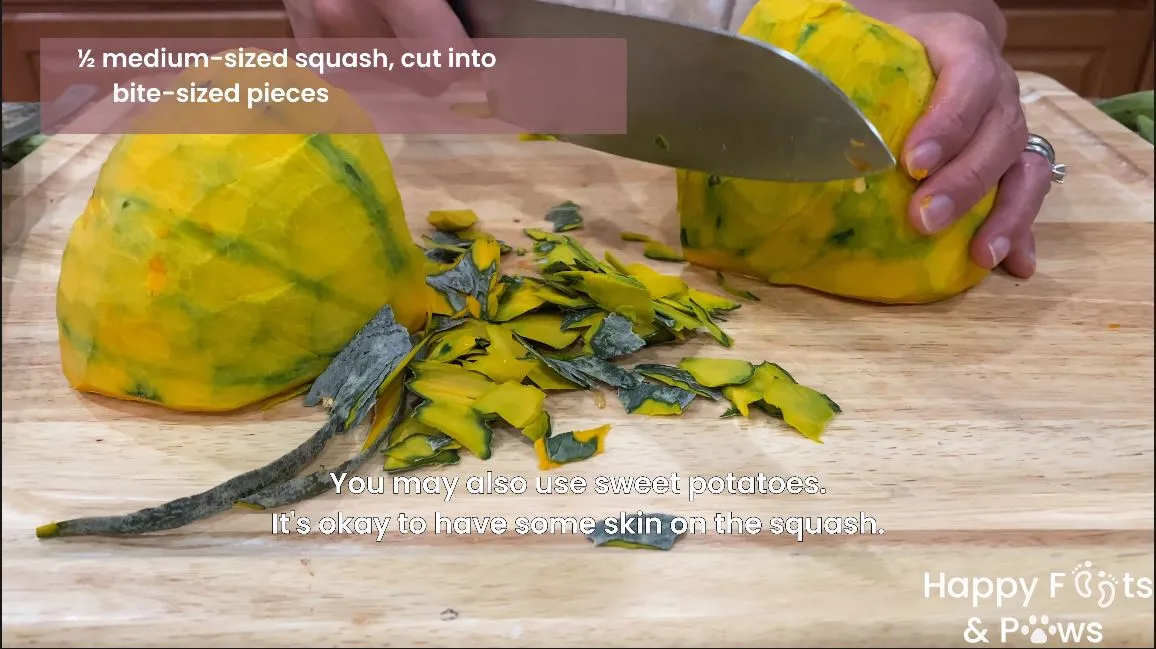
Remove the seeds and cut off the skin of the squash. Cut them into bite-sized pieces. Put them in a separate bowl or colander. Rinse and set aside. Cut the ends of the bitter melon or gourds. Slice them in half and remove the seeds using a spoon. Cut them diagonally and soak them in warm water (110°F/43°C) and salt to reduce the bitterness. Cut or chop the rest of the veggies including okra (ends trimmed), eggplants (cut diagonally), string beans (cut into 3-inch long). Put them all together in a large bowl soak in water at room temperature to lessen the bruising. Set aside later.
Make the Shrimp Paste Substitute
Finely mince the shrimp using a butcher knife or food processor bowl. Mix in the patis or fish sauce. Mix well and set aside for later.
Cook the Tail-on Shrimp
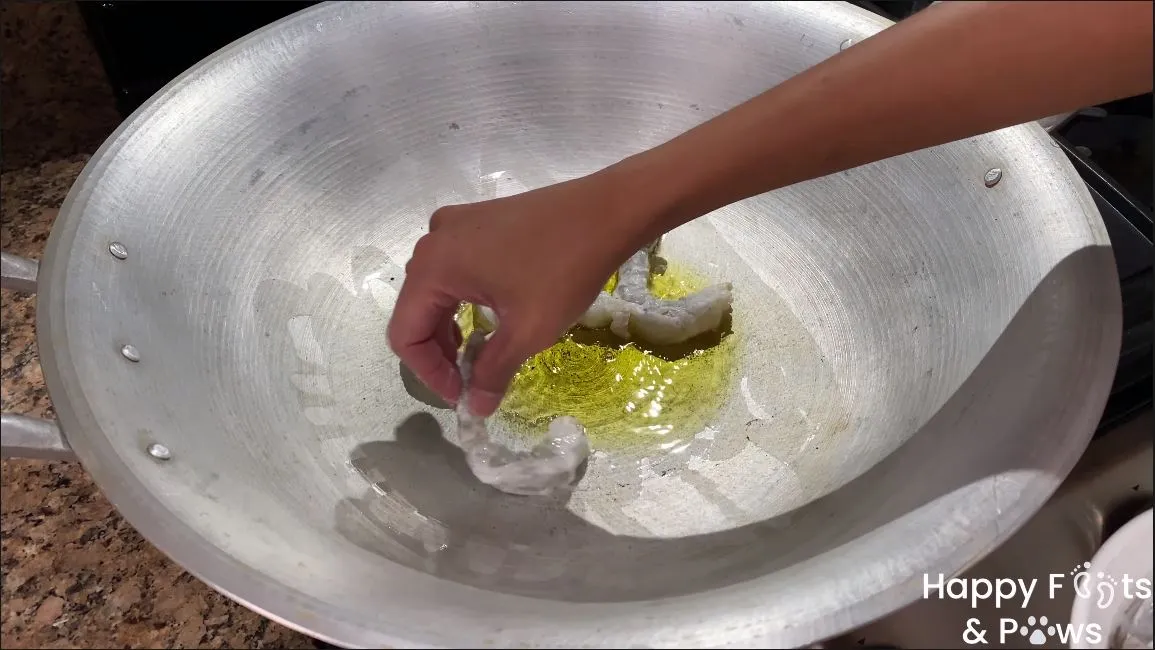
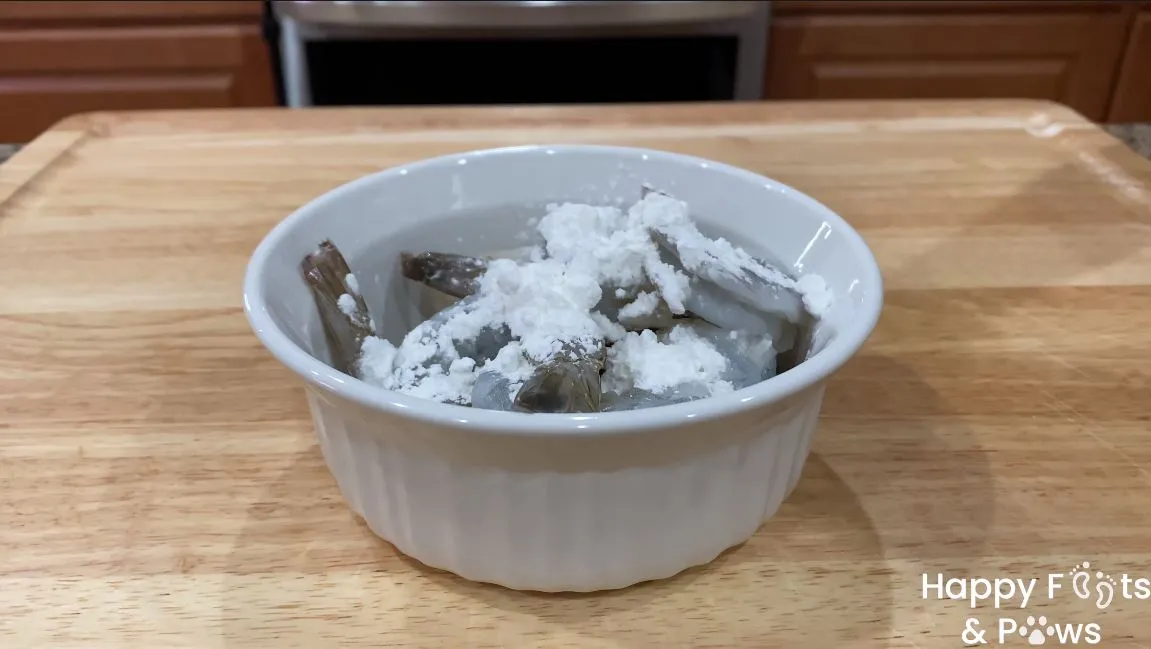
Put the shrimp in a bowl and mix in the corn flour or cornstarch. Mix and well coat the shrimp. In a large wok or pot, heat the oil over medium-high heat. Carefully lower the shrimp. Cook them for 2 minutes or until golden. Flip them over and cook the other side for an equal time. Transfer onto a paper towel-lined bowl. Set aside for later.
Cook the Pinakbet or Veggies Stew
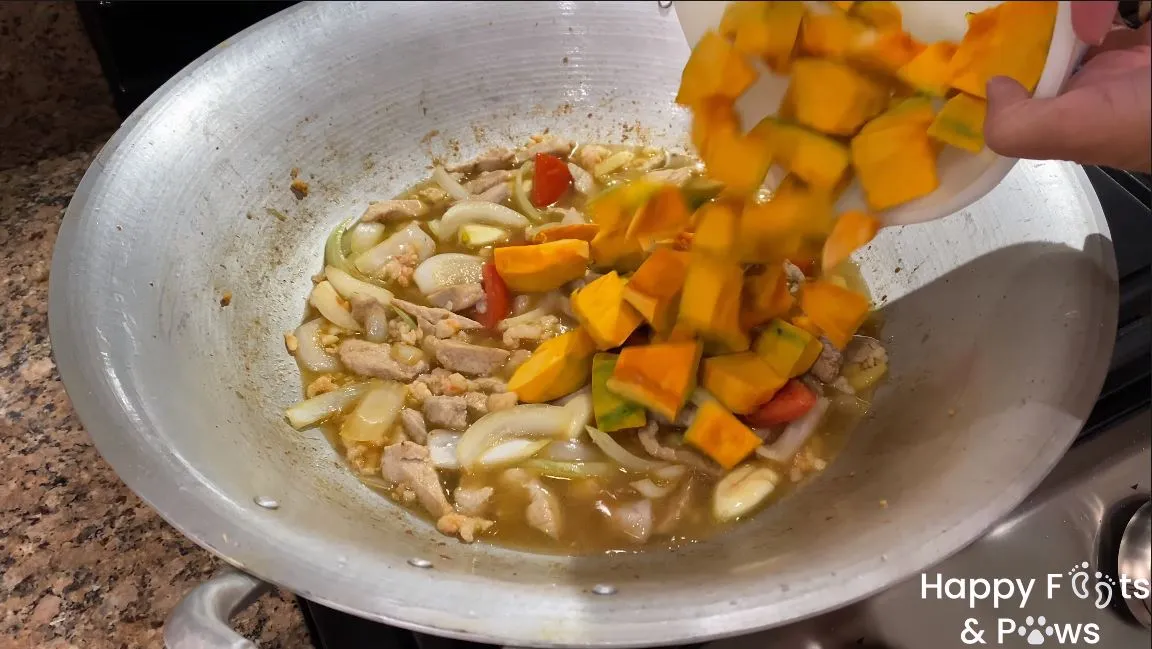
Deglaze the wok or pot and heat some more cooking oil over medium-high heat. Lower the strips of pork and cook them for 3-5 minutes or until they turn golden brown. Cook the other side for an equal time. Push them to the side and saute the sliced onion and crushed garlic cloves until the onion’s translucent and garlic cloves become fragrant. Then saute the strips of ginger root. Add more oil as needed. Saute the chopped tomato until soft. Then cook the shrimp paste substitute or minced shrimp. Cook for 1-2 minutes then stirs them all together. Pour the water and stir until well incorporated. The squash cooks longer so we will add them first. Cover and bring to a simmer over medium-high heat for 8-10 minutes or until the squash is soft. Check every 4 minutes and stir occasionally until the squash is fork-tender. Drain the bitter melon add them into the wok. Mix in the rest of the veggies as well and stir to combine. Cover and simmer for another 8-10 minutes or until the veggies turn soft but still crunchy. Take a peek every so often and stir occasionally until the veggies are soft to your desired doneness. Turn the heat off and add the cooked shrimp. Season with pepper and add more salt as needed. If you like a bit of a kick, garnish with some chili flakes and top it with some Kosher or flaky salt. Serve warm with rice or eat it by itself and enjoy!
Recipe card
How to Make Filipino Vegetable Stew (Pinakbet)
Vegetable stew is my all-time favorite dish. Not only tasty with the different textures of the veggies but they are also very nutritious for you. Back home in the Philippines, we commonly called this dish “Pinakbet” with fermented fish or shrimp. If you are not a fan of bagoong or fermented fish or shrimp but… Read More »How to Make Filipino Vegetable Stew (Pinakbet)
- Prep time
- 10 min
- Cook time
- 20 min
- Total time
- 30 min
- Yield
- 10 servings
Ingredients
Tap an ingredient to check it off.
Some ingredient links in the article point to Amazon so you can see the exact products we use. We earn nothing from them.
Instructions
- 1
Cut the Vegetables
Remove the seeds and cut off the skin of the squash. Cut them into bite-sized pieces. Put them in a separate bowl or colander. Rinse and set aside. Cut the ends of the bitter melon or gourds. Slice them in half and remove the seeds using a spoon. Cut them diagonally and soak them in warm water (110°F/43°C) and salt to reduce the bitterness. Cut or chop the rest of the veggies including okra (ends trimmed), eggplants (cut diagonally), string beans (cut into 3-inch long). Put them all together in a large bowl soak in water at room temperature to lessen the bruising. Set aside later.
- 2
Make the Shrimp Paste Substitute
Finely mince the shrimp using a butcher knife or food processor bowl. Mix in the patis or fish sauce. Mix well and set aside for later.
- 3
Cook the Tail-on Shrimp
Put the shrimp in a bowl and mix in the corn flour or cornstarch. Mix and well coat the shrimp. In a large wok or pot, heat the oil over medium-high heat. Carefully lower the shrimp. Cook them for 2 minutes or until golden. Flip them over and cook the other side for an equal time. Transfer onto a paper towel-lined bowl. Set aside for later.
- 4
Cook the Pinakbet or Veggies Stew
Deglaze the wok or pot and heat some more cooking oil over medium-high heat. Lower the strips of pork and cook them for 3-5 minutes or until they turn golden brown. Cook the other side for an equal time. Push them to the side and saute the sliced onion and crushed garlic cloves until the onion’s translucent and garlic cloves become fragrant. Then saute the strips of ginger root. Add more oil as needed. Saute the chopped tomato until soft. Then cook the shrimp paste substitute or minced shrimp. Cook for 1-2 minutes then stirs them all together. Pour the water and stir until well incorporated. The squash cooks longer so we will add them first. Cover and bring to a simmer over medium-high heat for 8-10 minutes or until the squash is soft. Check every 4 minutes and stir occasionally until the squash is fork-tender. Drain the bitter melon add them into the wok. Mix in the rest of the veggies as well and stir to combine. Cover and simmer for another 8-10 minutes or until the veggies turn soft but still crunchy. Take a peek every so often and stir occasionally until the veggies are soft to your desired doneness. Turn the heat off and add the cooked shrimp. Season with pepper and add more salt as needed. If you like a bit of a kick, garnish with some chili flakes and top it with some Kosher or flaky salt. Serve warm with rice or eat it by itself and enjoy!
Nutrition facts 98 per 1 Cup serving
- Calories
- 98
- Fat
- 5.5g
- Saturated fat
- 1.5g
- Unsaturated fat
- 0g
- Trans fat
- 0g
- Cholesterol
- 8.4mg
- Sodium
- 161mg
- Carbohydrates
- 11g
- Fiber
- 3.6g
- Sugar
- 4.7g
- Protein
- 2.7g
- Serving size
- 1 Cup
Estimates calculated from the ingredients as written; actual values vary with brands and portions.
From Happy Feets and Paws, https://www.happyfeetsandpaws.com/how-to-make-filipino-vegetable-stew-pinakbet/
Reader reviews
1 cook rated this recipe
5.0out of 5
Johnny 9gag
Aug 4, 2021
This looks awesome!
You might also like
Keep cooking

Pancit Canton Recipe
Pancit Canton Recipe with Stir-fried noodles, tender chicken, crunchy vegetables, & savory sausage – a perfect blend of Asian culinary heritage.
Escabeche Isda
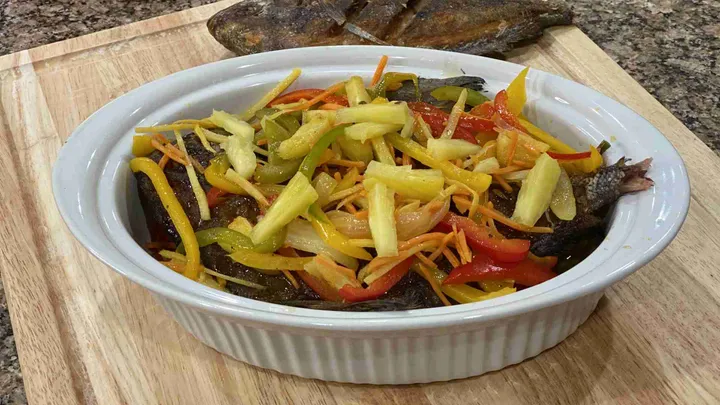
Escabeche is a dish Filipinos adapted from Spanish and made local modifications of our own. There are different variations from all over the Philippines.
Chicken Inasal Recipe
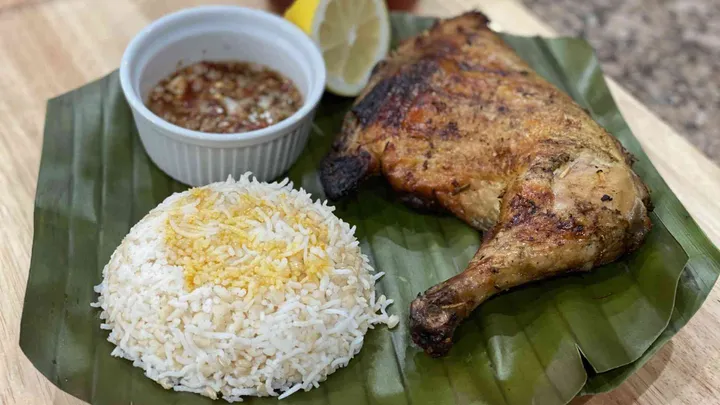
Chicken Inasal or roasted chicken is also known as Lechon Manok. Manok is a Filipino word for Chicken and Inasal means roasted. This sumptuous dish is one of

Every recipe has a video
Cook along with us on YouTube
Mari films every step so you can see exactly what the dough, the sauce, or the sear should look like. Subscribing is free and helps us keep this site ad-free.